Gut Microbiome and Overall Health
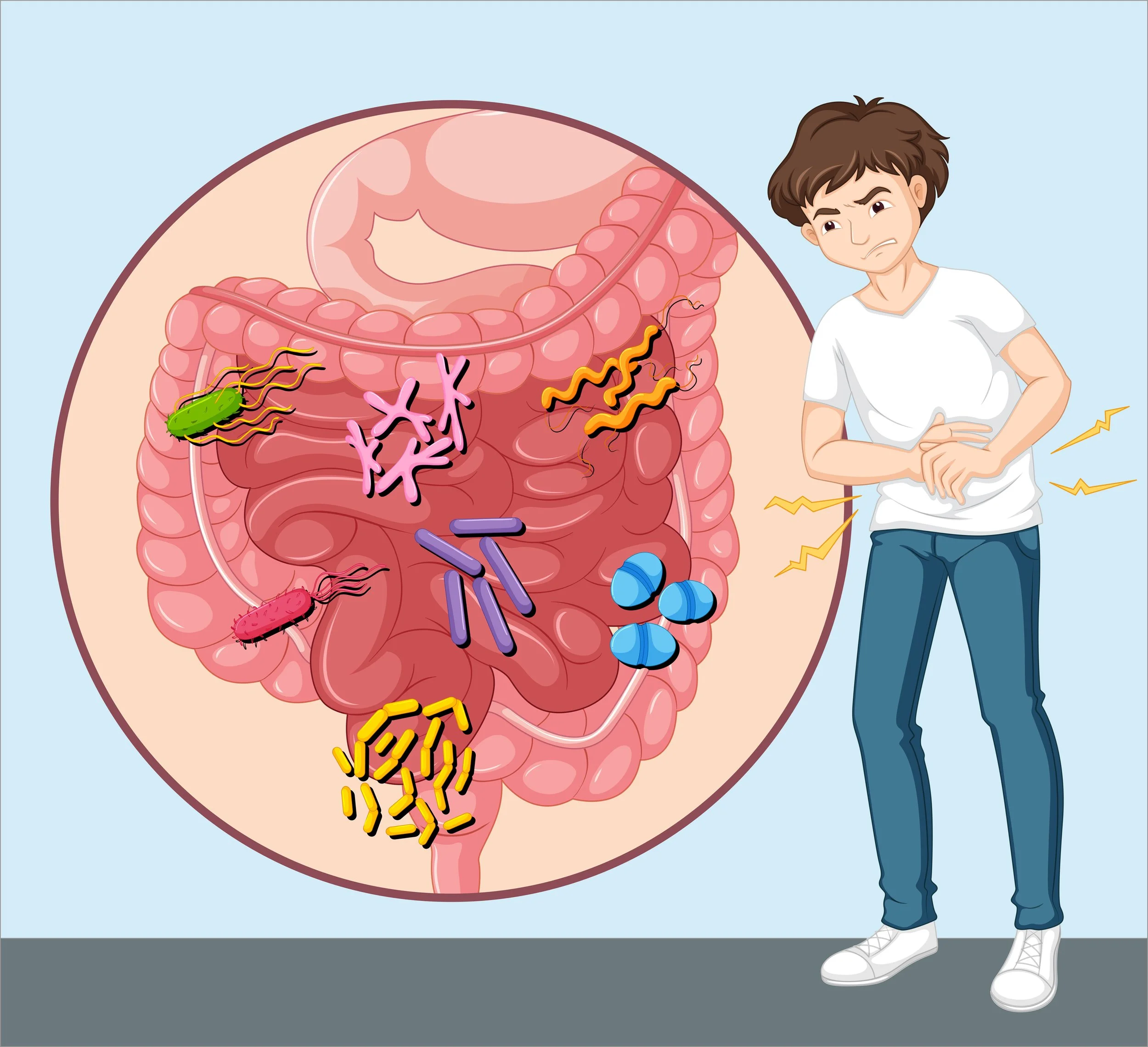
<a href="https://www.vecteezy.com/free-vector/bacteria">Bacteria Vectors by Vecteezy</a>
The gut microbiome refers to the trillions of microorganisms living primarily in the large intestine. These microbes influence digestion, immunity, metabolism, brain health and even hormone balance.
When balanced (eubiosis), the microbiome supports vitality.
When disrupted (dysbiosis), it contributes to inflammation and chronic disease.
The gut microbiome refers to the trillions of microorganisms — bacteria, viruses, fungi and archaea — that live primarily in the large intestine.
An adult carries more microbial cells than human cells, and these organisms form a dynamic ecosystem that influences nearly every system of the body.
Key dominant beneficial species include:
Lactobacillus
Bifidobacterium
Akkermansia muciniphila
Faecalibacterium prausnitzii
When balanced (a state called eubiosis), the microbiome supports vitality and resilience.
When disrupted (dysbiosis), it contributes to inflammation and chronic disease.
Core Functions of the Gut Microbiome
1️⃣ Digestion & Nutrient Absorption
Ferments dietary fibre into short-chain fatty acids (SCFAs) such as butyrate
Enhances absorption of magnesium, calcium and iron
Produces vitamins B1, B2, B6, B12, folate and vitamin K
Butyrate is especially important — it fuels colon cells and reduces intestinal inflammation.
2️⃣ Immune System Regulation
Around 70–80% of immune cells reside in gut-associated lymphoid tissue (GALT).
A healthy microbiome:
Trains immune tolerance
Strengthens tight junctions (reducing intestinal permeability)
Reduces autoimmune activation
Dysbiosis has been linked to:
Allergies
Eczema
Autoimmune disease
Inflammatory bowel conditions
3️⃣ Brain & Mood (Gut–Brain Axis)
The gut produces:
~90% of serotonin
GABA
Dopamine precursors
Communication occurs via:
Vagus nerve
Immune signalling
Microbial metabolites
Imbalances are associated with:
Anxiety
Depression
Brain fog
Neurodegenerative disorders
Emerging research links microbiome disruption to Parkinson’s disease, Alzheimer’s disease, and cognitive decline.
4️⃣ Metabolism & Weight Regulation
Gut bacteria influence:
Blood sugar regulation
Insulin sensitivity
Fat storage
Appetite hormones (GLP-1, leptin, ghrelin)
Reduced microbial diversity is strongly associated with:
Obesity
Type 2 diabetes
Metabolic syndrome
5️⃣ Oestrogen Balance (Estrobolome)
Certain bacteria regulate oestrogen recycling via beta-glucuronidase activity.
Imbalance may contribute to:
PMS
Endometriosis
Fibroids
Hormone-sensitive cancers
A healthy microbiome supports safe hormone detoxification.
What Disrupts the Gut Microbiome?
Common causes seen in clinical practice in NSW include:
Antibiotics
Highly processed foods
Low fibre intake
Chronic stress
Environmental toxins
Excess alcohol
Artificial sweeteners
How to Restore Gut Health Naturally
1. Increase Fibre Diversity
Aim for 30+ different plant foods per week
Include:
Leafy greens
Legumes
Garlic & onions
Berries
Nuts & seeds
2. Include Fermented Foods
Sauerkraut
Kefir
Natural yoghurt
Miso
3. Support With Targeted Probiotics
Strain-specific therapy may support:
IBS
Antibiotic recovery
Mood
Immune resilience
Clinical testing (stool microbiome analysis) allows personalised protocols.
4. Reduce Stress
Stress alters microbial diversity within days.
Support includes:
Breathing exercises
Nature exposure (especially here in the Blue Mountains 🌄)
Adequate sleep
5. Limit Toxins
Reduce exposure to:
Pesticides
Heavy metals
Ultra-processed foods
Home visits can be helpful in assessing environmental contributors to chronic inflammation.
Evidence Snapshot
SCFAs reduce colon cancer risk (PMID: 30654966)
Microbiome diversity linked to metabolic health (Nature, 2013)
Gut–brain axis influences depression (PMID: 31406558)
Dysbiosis associated with Parkinson’s disease (PMID: 28548957)
The Naturopathic Perspective
At Blue Mountains Wellness Clinic, we view the microbiome as a foundational pillar of health.
Initial consultations include:
Comprehensive medical and family history
Diet and medication review
Nutritional depletion assessment
Functional pathology options
Restoring gut balance often improves:
Energy
Mood
Skin
Hormonal balance
Immune resilience
Final Thoughts
The gut microbiome is not just about digestion — it is a central regulator of immune function, brain health, metabolism, and longevity.
When we nourish our microbes, we nourish ourselves.